🐇 What Rabbits Can Teach Us About Teamwork
Have you ever wondered what it’s like inside a rabbit’s home underground?
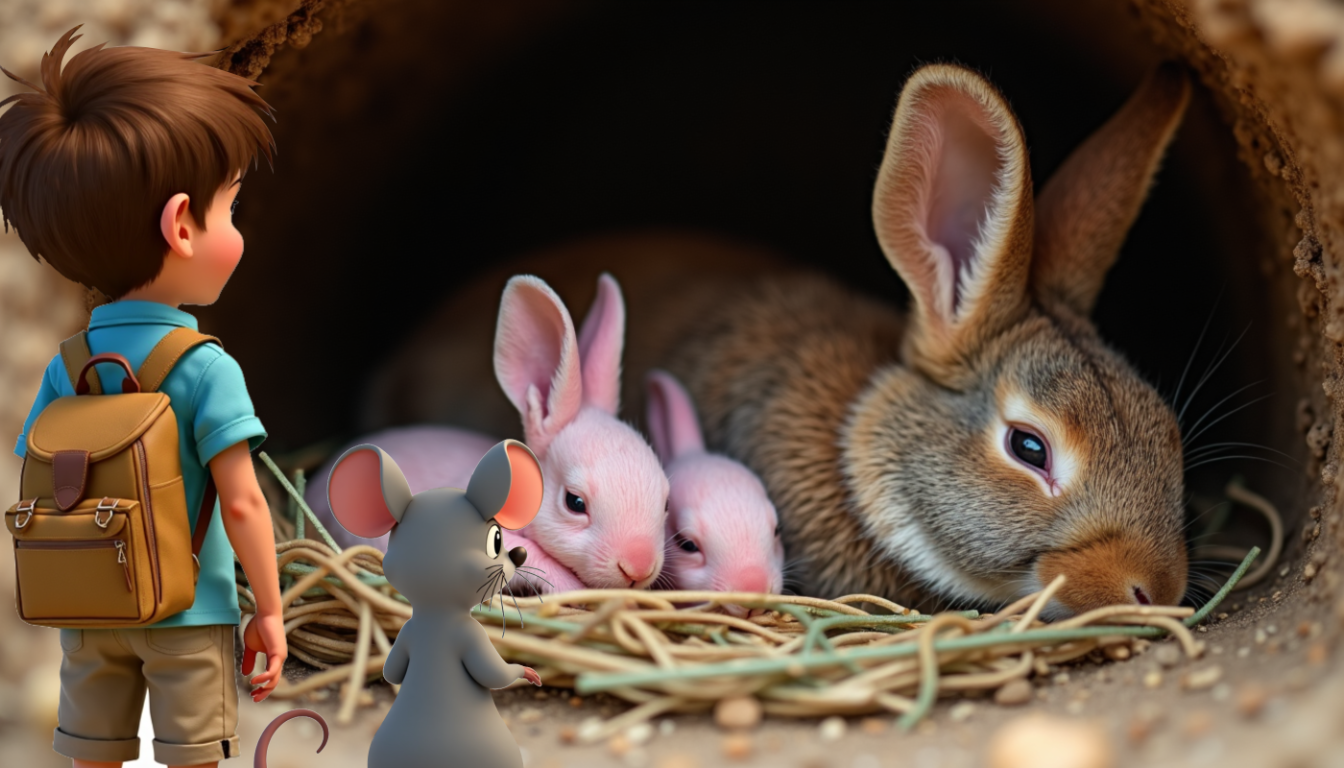
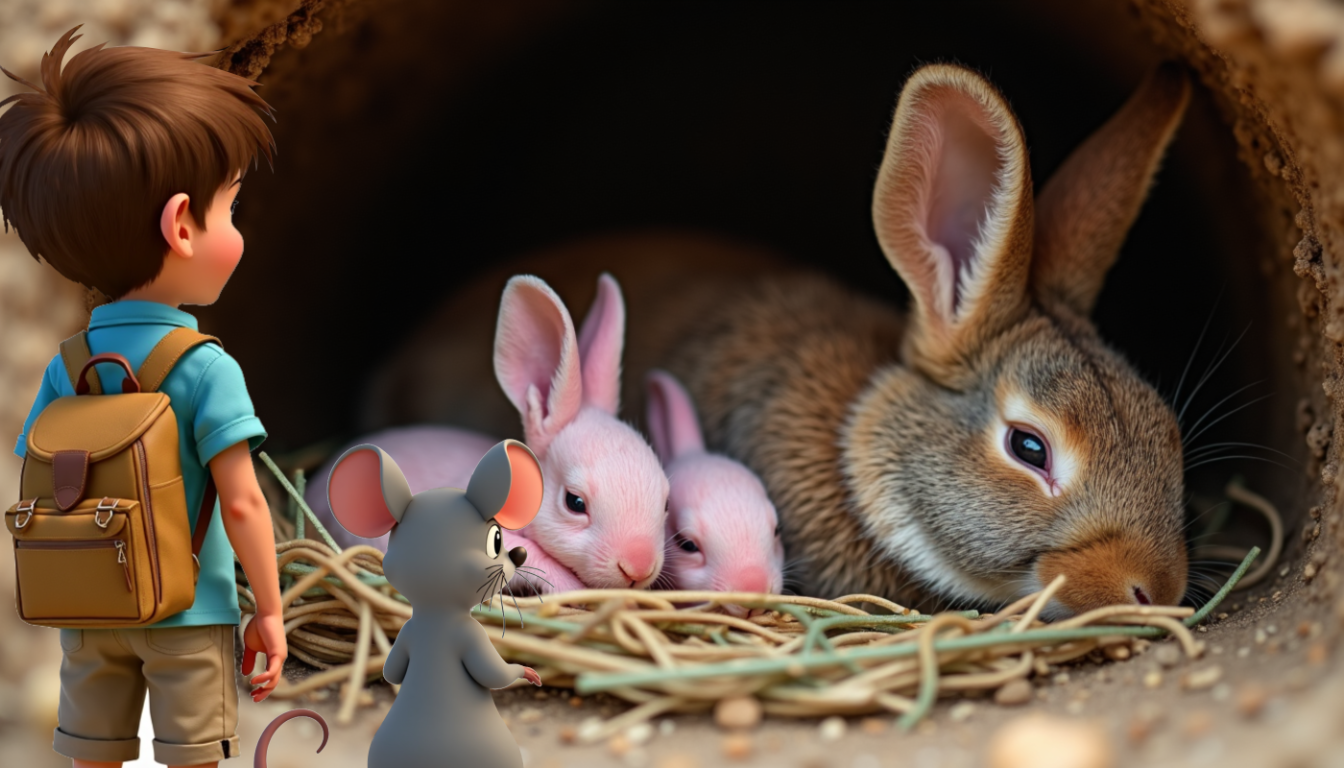
In The Secret of the Warren, Benji discovers a world of tunnels, hidden doors, and busy rabbits working together to keep everyone safe. Their warren isn’t just a home — it’s a whole city beneath the earth!
Let’s hop in and see what we can learn from these clever little diggers.
For Young Nature Watchers:
Secrets Beneath the Ground
Deep under the meadow, rabbits are always busy! Some dig tunnels, others make soft nests, and a few stand guard to warn the rest if danger comes. Every rabbit has a job — and every job matters.
When Benji visited the warren, he learned that even the smallest rabbit helped keep the family safe.
“It’s like a big team where everyone’s paws play a part", said Sage
Can you imagine living underground with your friends? What would your job be? Would you be a digger, a builder, or a lookout?
Teamwork is what keeps the warren strong, just as it does for us, where kindness and helping each other keep our friendships strong, too.
🧠 For Curious Minds:
What Rabbits Can Teach Us About Teamwork
Rabbits are amazing engineers! Their underground homes — called warrens — are built from networks of tunnels and rooms, sometimes stretching over 45 metres (150 feet) with many entrances and escape routes. These tunnels help rabbits stay safe from predators like foxes and badgers, and allow fresh air to flow through their underground world.
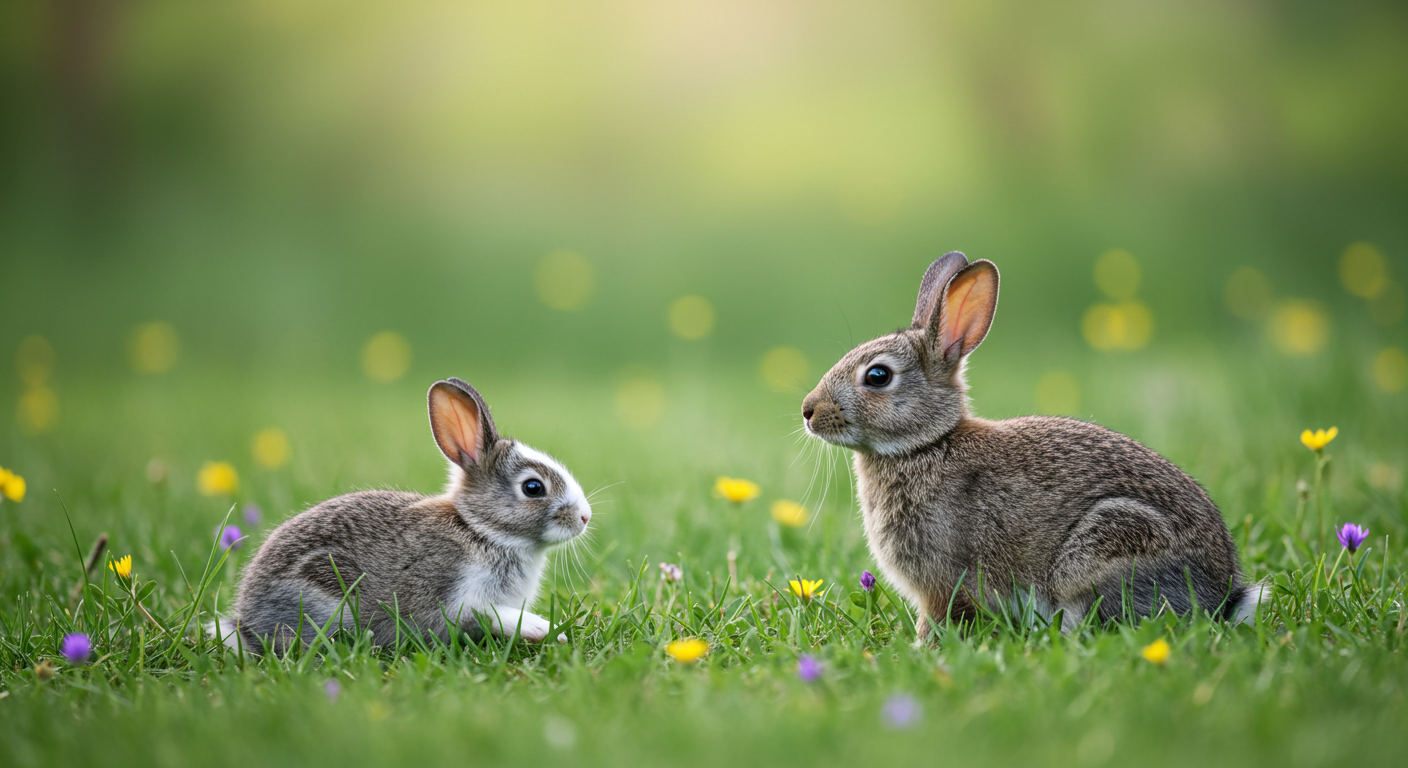
Only one species — the European rabbit (Oryctolagus cuniculus) — builds large warrens and lives in social groups. That’s the species Benji visits in The Secret of the Warren. Other wild rabbits, like the cottontail in North America, live above ground in small nests, while their cousins, hares, prefer open fields and don’t dig at all.
Rabbits are truly global travellers. They live on every continent except Antarctica, and while they’ve been introduced by humans to many new places, that’s not always been good news. In Australia, for example, rabbits became such fast breeders that they damaged farmland and native plants — a reminder that even teamwork can have challenges when balance is lost.
Wild rabbits don’t live long — usually 1–2 years — but that’s nature’s way. They make up for it by having several litters of babies each year, keeping the colony strong. Pet rabbits, though, can live 8–12 years (sometimes more!) when they’re cared for and protected from danger.
Rabbits also have fascinating ways of communicating. They thump their hind legs as an alarm signal, and use ear position and body posture to share information. Their eyes are set wide on the sides of their head, giving them almost a 360° view — so they can spot danger from almost any direction.
They’re also crepuscular, which means they come out mostly at dawn and dusk. This is when the light is soft and the shadows are long.
🌱 Sage Says
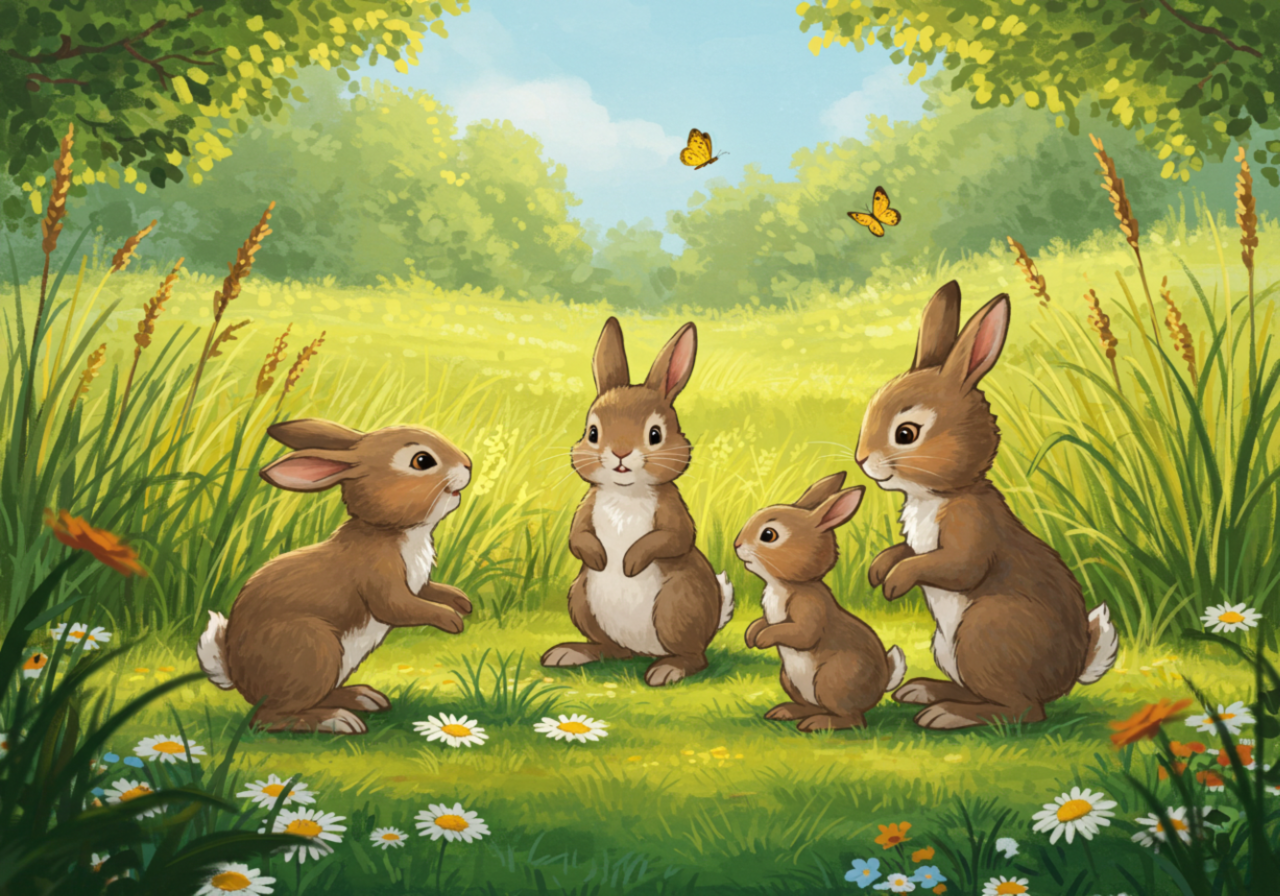
“A rabbit’s teeth never stop growing! They have to chew all day to keep them the right size.”
“Every tunnel has a purpose — even the smallest one can save a life.”
“Working together makes the warren strong — just like helping others makes us strong too.”
💬 For Parents
Parents: Ask your child,
- What kind of underground home would you build if you were a rabbit?
- Why do you think teamwork makes life easier for everyone?
- Can you remember a time when you helped someone in your “team” — your family, friends, or class?
📚 Further Reading for Parents & Curious Minds
If you’d like to learn more about rabbits — their hidden lives, clever designs, and worldwide adventures — here are some trusted sources you can explore together:
🌍 Rabbits Around the World
Wikipedia: Rabbit – A great overview of rabbit species, habitats, and behaviour across the world.
Animal Diversity Web: European Rabbit (Oryctolagus cuniculus) – A scientific look at where rabbits live, what they eat, and how they survive.
🕳️ Life Underground
PestSmart: Rabbit Biology, Ecology and Distribution – Explains how warrens are built, how rabbits adapt, and why they thrive in so many places.
Mammal Society (UK): European Rabbit – Focused on rabbits in Britain, their breeding, and their role in the ecosystem.
🧬 Rabbit Families and Behaviour
The Social Nature of European Rabbits (Oryctolagus cuniculus) – A fascinating scientific paper about how rabbits live and work in social groups.
Blue Cross: How Long Do Rabbits Live? – Compares wild and pet rabbit lifespans and explains why care makes such a difference.
💡 Fun Facts & Learning
Rabbit.org: Fun Rabbit Facts – A fun mix of true stories, records, and surprising rabbit trivia.
Oxbow Animal Health: Rabbit Life Stages – Great for families who keep pet rabbits and want to understand how they grow and change.


If you’d like to read about Benji's adventure underground — and what he learned in The Secret of the Warren — you can read the story here.