🐜 What Can Ants Teach Us About Teamwork
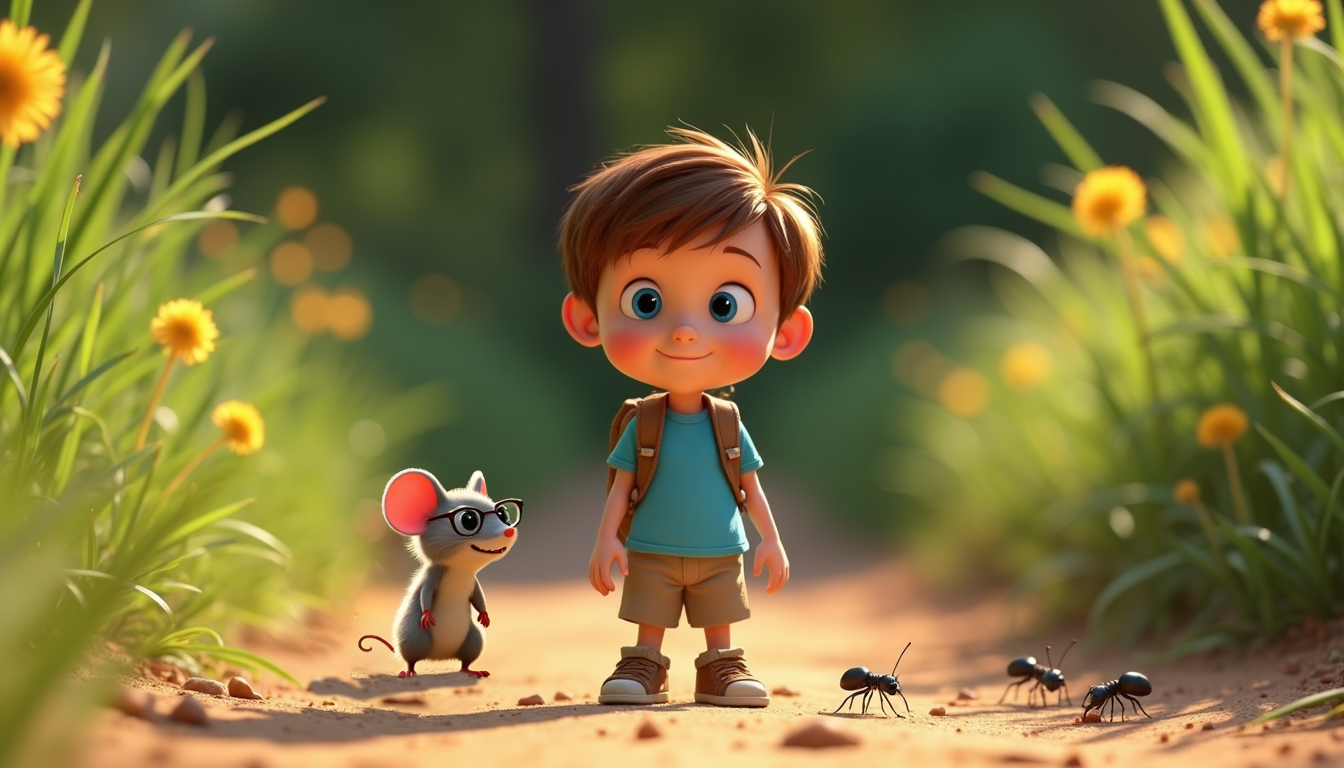
Have you ever watched ants at work? They march in perfect lines, carrying crumbs, leaves, or even twigs far bigger than themselves. In The Secret of the Warren, Benji learns about, "What ants can teach us?", from Sage, and that they are another kind of underground team — small but mighty!
Their world may be tiny, but it’s filled with cooperation, hard work, and clever design. Let’s shrink down to ant size and explore what makes their world so special.
🧒 For Young Explorers:
What ants can teach us about working in a team?
Ants are amazing helpers! They live in busy homes called colonies with hundreds — sometimes millions — of ants working together.
Every ant has a job.
👑 The queen lays eggs.
💪 The workers build tunnels and look after the babies.
🛡️ The soldiers guard the nest and keep everyone safe.
When Benji watched them, he saw that no ant ever worked alone.
“They don’t need to be told what to do. They just know how to help.”, said Sage.
Imagine if your family or friends worked like ants — all helping each other every day. What would your job be in the colony?
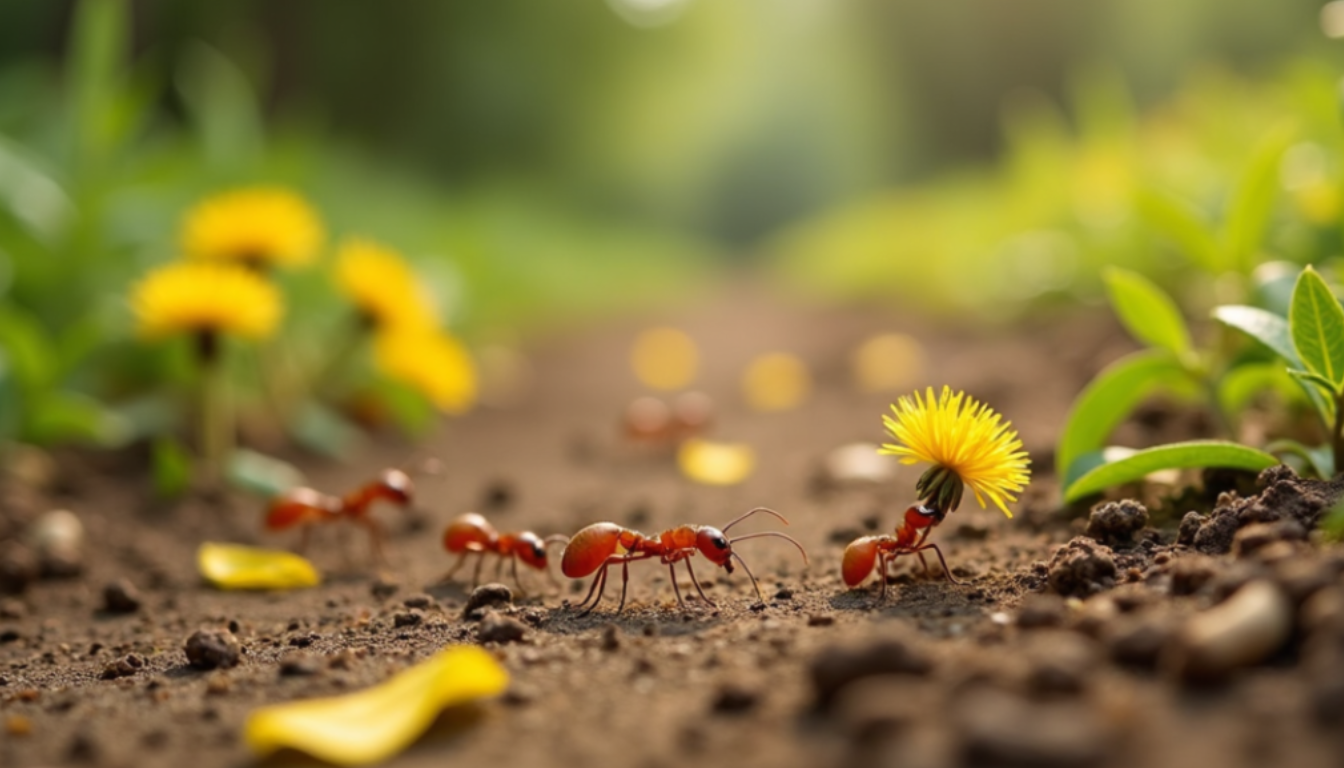
That’s the secret of the ants: small things can do great things when they work together.
🧠 For Curious Minds:
Inside the Ant Kingdom
Ants are one of the most successful creatures on Earth. There are more than 12,000 known species (and scientists think there may be thousands more still undiscovered). You can find them almost everywhere — from deep jungles to your own garden — except in Antarctica.
A typical ant colony can range from a few dozen to millions of ants, depending on the species. Some, like the leafcutter ants of South America, build underground cities that go down up to 8 metres (26 feet) deep and spread over hundreds of chambers!
Every colony is perfectly organised:
- The Queen: The heart of the colony. Some queens can live up to 20 years, while worker ants usually live only a few months.
- The Workers: All female, they build the nest, find food, feed the young, and take care of the queen.
- The Soldiers: Larger ants that protect the colony from enemies.
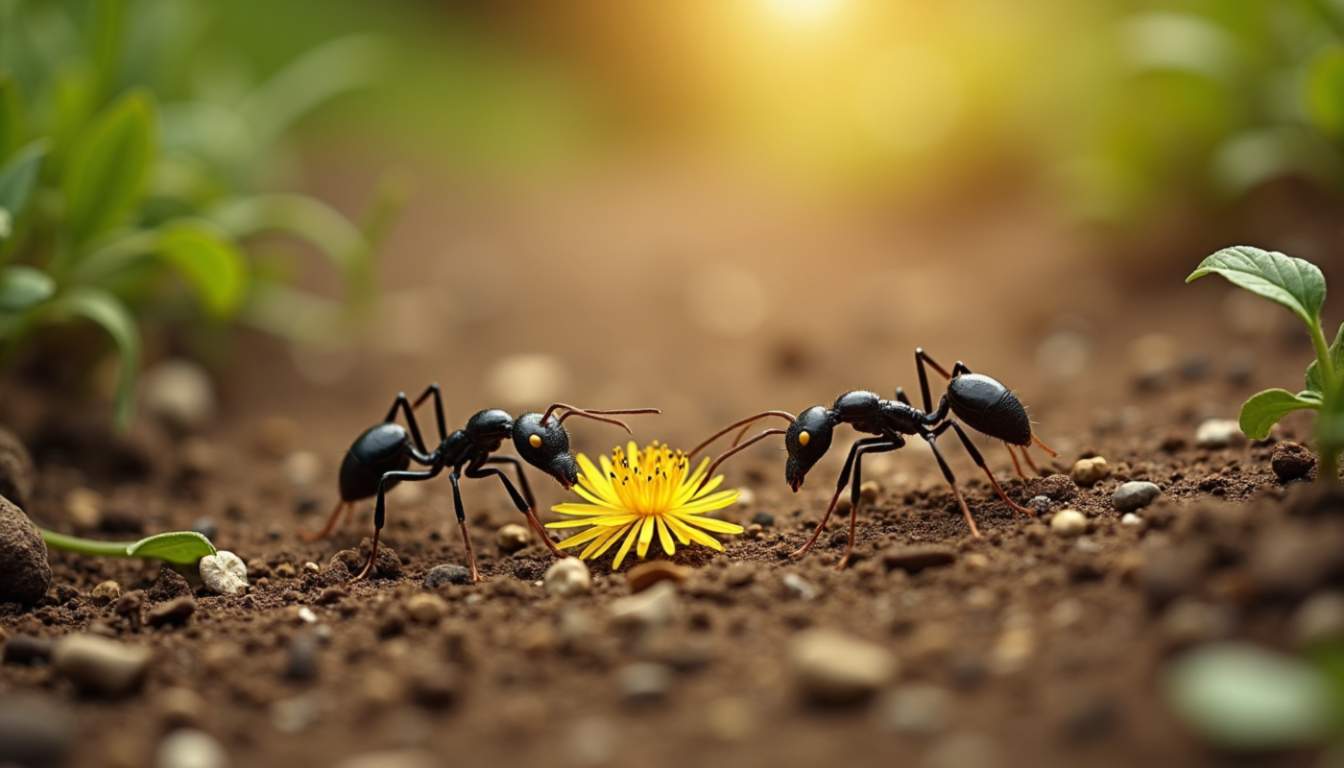
Ants are incredible communicators. They don’t talk — they use smells and touch. By releasing special scents called pheromones, ants can tell others where food is or warn of danger. A single trail of scent can lead thousands of ants straight to a crumb!
Their strength is legendary — an ant can carry up to 50 times its body weight. Imagine lifting a car!
Ants also play a big role in nature. They turn over soil, spread seeds, and help control pests. In forests, grasslands, and deserts, they keep the balance of life ticking along — just like tiny gardeners of the earth.
What ants can teach us?
🌱 Sage Says
“Ants don’t argue about who’s in charge. They just get on with helping each other.”
“When everyone does a little bit, big things happen.”
“The ants’ secret isn’t strength — it’s working together.”
💬 For Parents
So, what ants can teach us, is;
a great deal about selflessness and teamwork.
Parents, here are some fun ways to explore this idea with your child:
- Next time you see ants outside, watch where they go. What do you think they’re carrying or doing?
- Why do you think ants can achieve so much even though they’re so small?
- Can you think of a time when teamwork helped you finish something that felt too big to do alone?
📚 Further Reading for Parents & Curious Minds
If you and your young explorer would like to dig deeper into the amazing world of ants — their teamwork, underground cities, and super strength — here are some great places to start:
🌍 Learn more about Ants of the World
Wikipedia: Ant – A broad look at ant evolution, anatomy, species diversity, and how colonies work together.
Smithsonian Institution: Ants – Family-friendly facts and classroom resources from the Smithsonian’s experts on insect behaviour.
🏗️ Inside the Colony
National Geographic Kids: Ant Facts – Fun, easy-to-read information about how ants build, communicate, and cooperate.
BBC Earth: The Incredible World of Ants – A beautifully written piece about the complex societies and survival skills of ants.
University of Colorado Boulder: Leafcutter Ants – Explains how some ant species farm fungus and keep their colonies clean.
🧠 Ant Science & Behaviour
AntWeb (California Academy of Sciences) – A huge database with photos and details on over 12,000 known ant species.
Science News: The Secret Language of Ants – Explores how ants use pheromones and touch to communicate and coordinate.
Harvard University: Ant Colony Behaviour – Shows how ants make group decisions — a fascinating look at “collective intelligence.”
💡 Fun Facts & Quick Learning
Treehugger: 10 Fascinating Facts About Ants – Great for sharing bite-sized facts about their strength, teamwork, and role in nature.
Kiddle: Ant Facts for Kids – A simple, safe, and child-friendly summary site perfect for younger readers.
If you’d like to read more about what Benji and Sage discovered beneath the ground — and the tiny teams that make the world work — you can find The Secret of the Warren here.