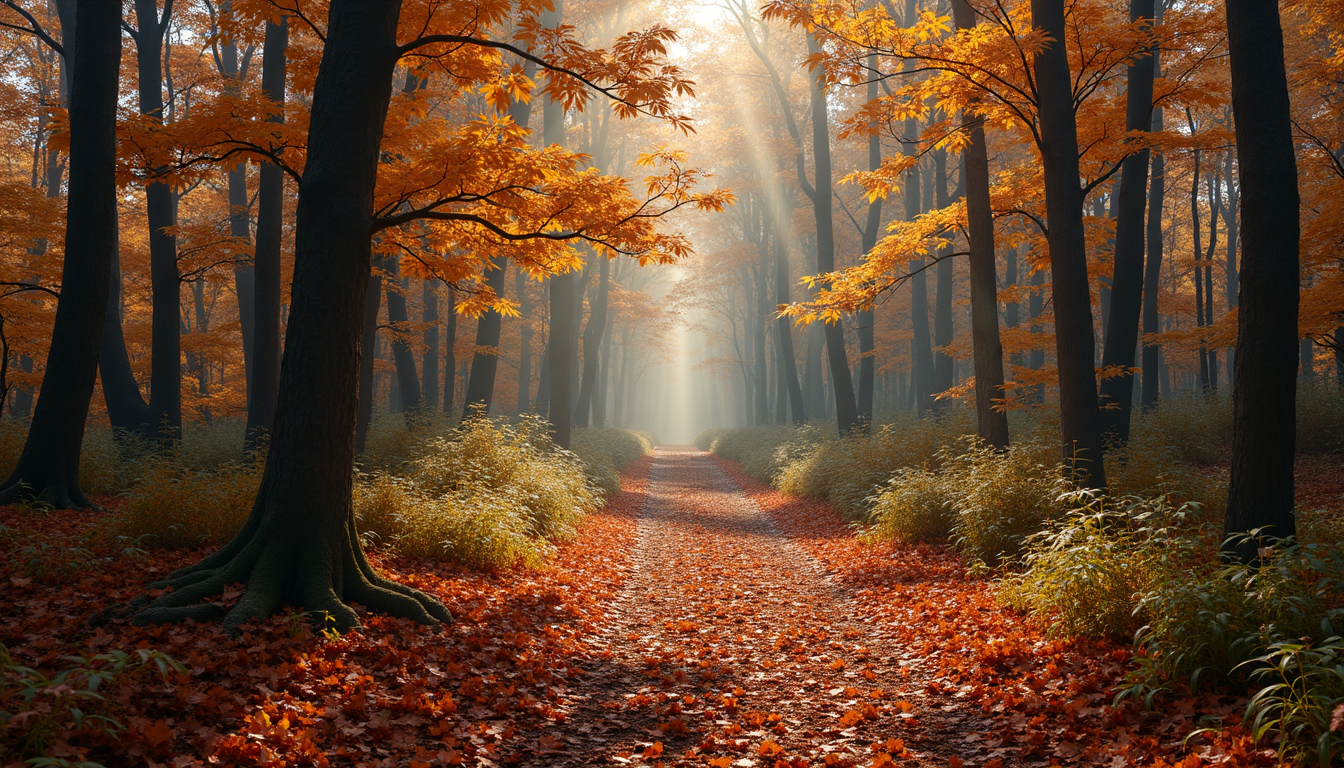
The woods are glowing gold and red, and the air smells fresh and earthy. As Benji crunches through the leaves, Sage, his friend the magical mouse, twitches his whiskers and whispers,
“Look closely, Benji… the forest is hard at work!”
But what could Sage mean? Let’s explore how and why trees let their leaves go, and how the forest floor ecosystem turns those fallen leaves quietly back into soil.
Note from Sage: We sometimes say forest instead of wood because they mean almost the same thing! A wood is usually smaller, and a forest is bigger — but both are full of trees, animals, and magic waiting to be discovered.
The Trees Are Getting Ready To Shed Their Leaves
When days grow shorter and cooler, trees begin to rest.
All summer long, their green leaves worked like tiny kitchens, making food from sunlight.
But when the sunshine fades, the tree gently closes each leaf’s “door”, shutting them out, and says:
“Thank you, leaves. Time for a long nap!”
Then—whoosh!—the leaves turn red, orange, and yellow. They spin and twirl as they fall softly to the ground.
It’s the tree’s way of keeping safe and cosy through the winter months.
The Magic Blanket On The Forest's Floor
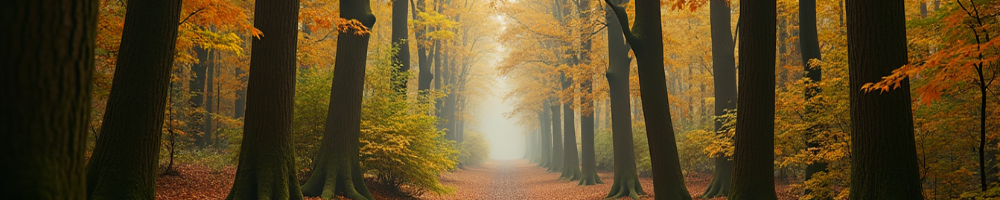
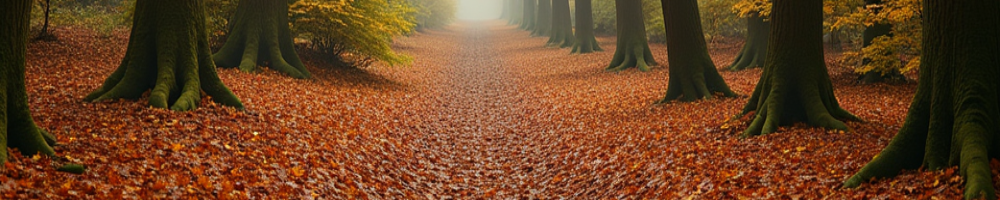
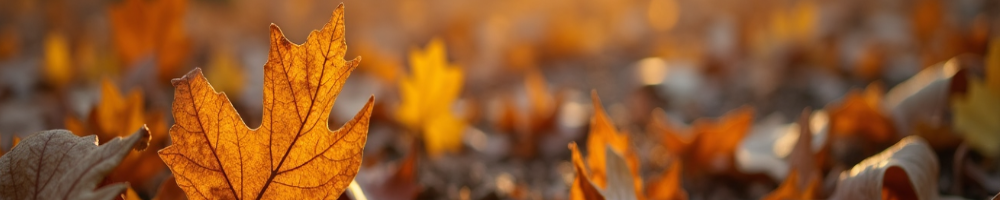
As the trees shed their leaves, the forest floor becomes covered in a crunchy, colourful blanket. This blanket keeps the ground warm, and it protects all the tiny creatures who live underneath it. like worms, beetles, and busy fungi.
These little helpers start nibbling the leaves, turning them into soft crumbs.
After a while, those crumbs become leafmould; a dark, rich, and squishy soil that smells like the heart of the forest.
The Forest’s Clever Recycling Trick
Each year, as trees shed their leaves, they fall to the ground and help feed all the living things in the forest, from big trees to tiny bugs and mushrooms.
Old leaves turn into soil; the soil feeds the roots, and the roots grow new leaves again in spring.
Nothing is wasted—everything begins again.
Sage says,
“In nature, every ending is a new beginning!”
Next time you go for a walk, explore the forest floor with your little ones:
- Go in the Autumn and see how trees shed their leaves as they shower down on your head.
- Pick up a leaf. Is it fresh or crumbly?
- Look under the leaves; can you see soft soil or little creatures?
- Discuss, what do you think happens to those leaves in winter?
Fun Facts:
🌳 Did you know…
- Trees “know” when to drop their leaves because they can sense less daylight!
- The part where a leaf breaks away is called the abscission layer—a fancy word for the leaf’s “letting go” line.
- Some trees, like oaks and beeches, hold on to brown leaves all winter—this is called marcescence
Activity Box:
Make Your Own Leafmould!
Try this forest experiment at home:
- Collect dry leaves from your garden or park (not from roadsides).
- Tear or shred them into smaller pieces.
- Place them in a big bag or bin with a few holes for air.
- Sprinkle with a little water so they’re damp, not soggy.
- Wait! Leave the bag outside through winter.
After a few months, you’ll notice the leaves getting darker and crumbly.
That’s leafmould—the forest’s own compost! You can use it to feed plants in your garden, or as soft mulch around flowers.
Leafmould helps soil stay healthy and full of life — just like in the forest!
Sage says: “Patience, Benji! Nature’s magic takes time.”
Why Trees Shed Their Leaves
Trees drop their leaves to survive winter.
When days shorten and temperatures fall, they can’t make enough energy from sunlight. Keeping all their leaves would waste water and nutrients.
So, a special cell layer called the abscission layer forms where the leaf joins the branch. It slowly seals off the leaf’s water and nutrient supply until—snap!—the leaf lets go. The tree sheds its leaves, one by one.
Before that happens, the tree cleverly reclaims some of the leaves’ nutrients, storing them safely in its roots for spring growth.
From Leaf Litter to Leafmould
Once the leaves fall, the tree has done its job, and the real work begins.
- Stage 1: Leaves pile up on the forest floor, forming an insulating blanket. This protects the underlying soil, insects, and microscopic life from the cold frosts that will follow.
- Stage 2: Moisture, fungi, and frost start to soften the leaves as the first stage of decomposition.
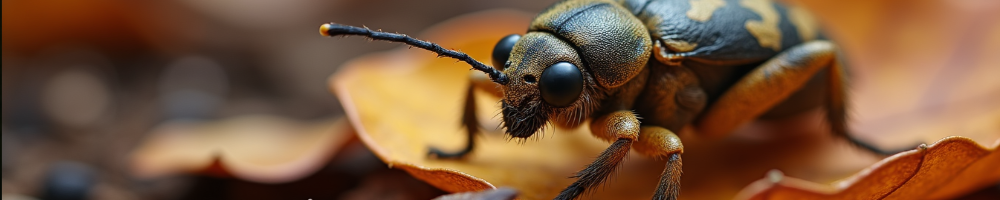
- Stage 3: Worms, beetles, and bacteria begin to eat the leaves and mix them into the soil.
- Stage 4: Over 1–2 years, this layer breaks down into leafmould—dark, springy, nutrient-rich earth.
This process is slow, but vital and works at the speed of nature. In forests, leafmould builds up year after year, creating the soft, fertile soil that forest and woodland life need to thrive.
The Role of Leafmould in the Forest
1. Recycles nutrients: Fallen leaves contain minerals like nitrogen and phosphorus. When they rot down and decompose, those minerals are returned to the soil as a natural, free fertiliser!
2. Protects and insulates: The leaf layer keeps the soil moist and reduces moisture evaporation. It also shields roots from frost and heat.
3. Builds healthy soil: Leafmould improves structure, helping water soak in and providing air to roots.
4. Supports biodiversity: Many animals—frogs, hedgehogs, insects, fungi—live and feed in leaf litter. It’s a tiny world of its own.
Fun Facts
🪱 Did you know…
- Earthworms pull leaves into their tunnels, mixing them with soil, improving its structure.
- Fungi spread through leaves with thread-like roots called mycelium, helping decomposition.
- Leafmould can hold up to 500% of its weight in water—that’s why forests stay cool and damp!
- In temperate woods, it can take two years for leaves to fully break down.
Note from Sage:
A temperate wood is a big group of trees that has four seasons: a warm summer, a cool autumn, a cold winter, and a warm spring. It's a special place where the weather changes throughout the year.
Forest Floor Detectives
Next time you’re in the woods:
- Scoop up a handful of fallen leaves.
- Look closely—are some dry and whole, while others are turning brown and soft?
- Gently lift the top layer. Can you see any worms, beetles, or tiny white fungal threads?
- Smell the earth—can you tell it’s rich and fresh?
You’re witnessing decomposition—the forest’s invisible recycling system!
Sage says: “Even the tiniest creatures keep the biggest systems running.”
For Parents
Discuss with you little ones:
- What would happen if trees never lost their leaves?
- Why do you think nature uses such a slow recycling process?
- How could we use this idea—turning waste into something new—in our own lives?
A few more interesting facts:
- Did you know some leaves take much longer to break down than others? Leaves high in lignin (a tough polymer) or with thick “ribs” may take two, even three years to fully decompose.
- Not all trees shed their leaves: Evergreens (like pines) keep needles year-round because their leaves (needles) are adapted for cold/dry conditions.
- If you live in a suburban/urban context: leaves from heavy-traffic roads may carry pollution (so if collecting them for compost, you might pick ones from quieter places).
- For garden use: Unshredded whole leaves break down slowly and may rob nitrogen from the soil if mixed in too early. It’s often better to use them as mulch on top, or to shred them for faster breakdown.
Next time you wander through the woods, pause for a moment.
Beneath your feet, last year’s leaves are quietly transforming—feeding worms, roots, fungi, and seedlings.
It’s the forest’s own circle of life:
Leaves → Soil → Trees → Leaves again.
Benji and Sage love watching this cycle unfold—because every fallen leaf is part of a brand-new beginning.
Join them in their Nature Adventure Club for more stories, experiments, and outdoor fun for the whole family.
Sage says: “Every leaf that falls feeds tomorrow’s forest.” 🍃