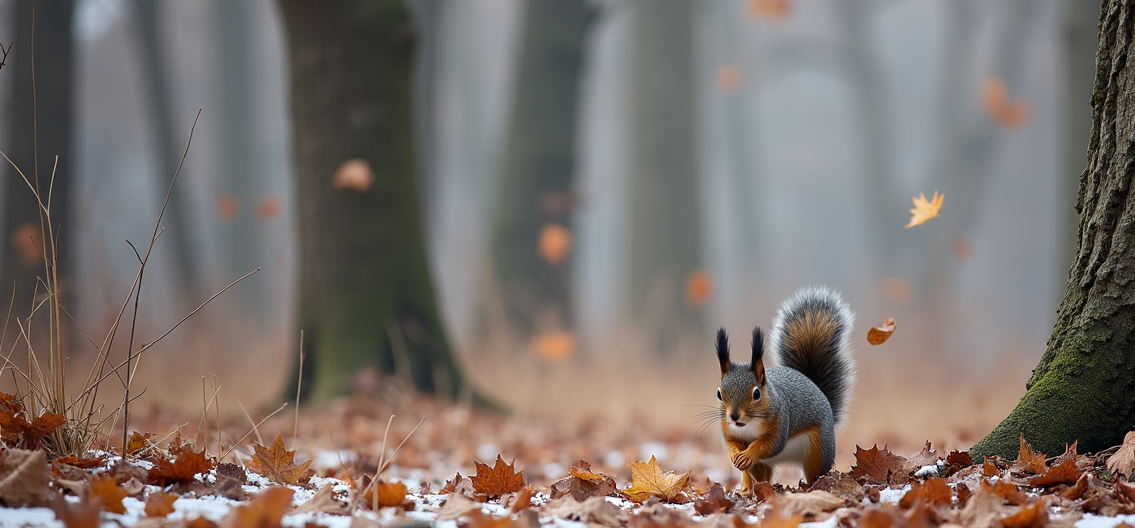
A Quiet Winter Morning
On a cold winter morning, Benji pulled on his coat and stepped outside. The garden felt different, "How can I help nature in winter?" he thought.
There were no buzzing insects, no birds hopping across the grass, and even the trees looked like they were holding their breath.
“Where has everyone gone?” Benji whispered.
From the pocket of his coat, Sage peeked out and smiled.
“They’re still here,” he said gently. “They’re just being very careful.”

Winter can feel quiet and empty, but nature hasn’t disappeared. Animals, insects, and plants are working hard just to survive. Food is scarce. Water freezes. Shelter is harder to find. And while nature is incredibly clever, small human actions can make winter either easier… or much harder for the creatures living outside.
The good news?
You don’t need to rescue nature.
You don’t need special tools or lots of money.
You just need to know what helps — and what doesn’t.
This guide will show you simple, safe ways that children and families can help nature during the cold months, and a few well-meaning things that are best avoided.
Why Winter Is Tough on Nature
Winter is nature’s hardest test.
Food Is Hard to Find
In warmer months, animals can find insects, berries, seeds, and plants almost everywhere. In winter, much of that disappears. The ground freezes. Plants die back. Insects hide or hibernate.
Animals must travel farther and work harder for every meal — which uses precious energy.
Staying Warm Takes Energy
Keeping warm isn’t easy, on these cold days. Birds fluff their feathers to keep the cold out. Mammals burn fat, and tiny creatures like mice and insects use more energy just to survive the cold.
If they waste energy needlessly, they may not survive until spring.
Homes Are Fragile
Leaf piles, hedges, hollow logs, long grass, and soil all become winter homes. These shelters protect animals from wind, rain, snow, and predators.
When we clear everything away, we don’t just tidy — we remove shelter.
In the "Garden Hedgehog", Benji and Sage help a stranded hedgehog find shelter in a pile of logs in Grandma's garden (see the book list ).
Sage often says:
“Winter isn’t about growing. It’s about holding on.”
Simple Ways Children Can Help Nature in Winter
You don’t have to do everything. Even one small action can help nature in winter, in some way.
1 Feed Birds the Right Way
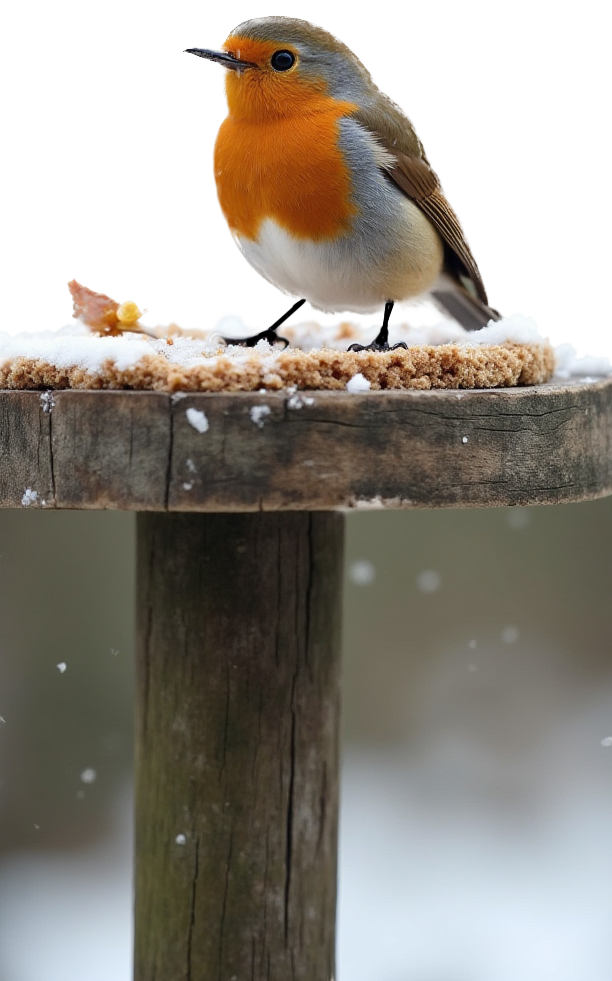
Birds are some of the easiest animals to help in winter.
What helps:
- Bird seed mixes
- Sunflower seeds
- Fat balls or suet blocks
- Cut apples or pears
What to remember:
- Put food in the same place each day
- Clean feeders regularly to stop disease
- Start small — birds remember where food appears
2 Provide Water — Even When It’s Cold
Many people remember food but forget water.
In winter, puddles and ponds freeze. Birds and animals still need to drink.
In the "Thirsty Crow", Benji helps a crow get water from an old water pump in Grandma's garden (see the book list ).
Easy ways to help:
- Put out a shallow bowl of water
- Place a stone inside so insects can climb out
- Check daily and break ice gently
- Never pour boiling water into bowls
Water can be more important than food on freezing days.
3 Leave Nature a Little Messy
This one is important — and often misunderstood.
A “messy” garden is a safe garden.
Helpful mess includes:
- Leaf piles under hedges
- Fallen branches
- Long grass
- Dead plants left standing
These provide homes for insects, frogs, hedgehogs, and small mammals.
You don’t need to stop tidying altogether. Just leave one quiet corner where nature can rest.
Create Simple Winter Shelters
You don’t need to buy anything.
Easy shelter ideas:
- Stack logs in a dry corner
- Pile sticks and leaves together
- Turn a plant pot upside down with a small gap
- Leave old stems and seed heads standing
These shelters protect insects and small animals from frost and wind. They also help birds by keeping insect populations alive for spring.
4 Walk Gently in Wild Spaces
Winter animals are easily disturbed.
When walking outdoors:
- Stick to paths
- Avoid poking logs, leaf piles, or holes
- Keep dogs under control near wildlife
- Stay quiet and observant
If an animal runs away in winter, it wastes energy it can’t easily replace.
See the post "How The Forest Floor Works " to protect and provide shelter for small animals and insects.
Sometimes the kindest action is simply not disturbing.
Sage says:
“Messy to humans often means cosy to wildlife.”
Things That Feel Helpful — But Aren’t
Good intentions can still cause harm. This section matters.
5 Don’t Tidy Everything Away
Clearing leaves, cutting back plants, and removing dead wood may look neat — but it removes shelter.
If you must tidy:
- Do it gently
- Check for animals first
- Leave some areas untouched until spring
Winter is not the time for big clear-outs.
6 Don’t Wake or Move Animals
You might find:
- A hedgehog under leaves
- A frog in soil
- An insect tucked into wood
They may look cold or still — but that doesn’t mean they’re in danger.
Do not:
- Bring them indoors
- Move them “to be safe”
- Wake them up
Waking hibernating animals uses vital energy and can be fatal.
If an animal is injured or clearly unwell, contact a local wildlife rescue for advice.
7 Don’t Overfeed Wildlife
More food is not always better.
Too much feeding can:
- Spread disease
- Make animals dependent
- Attract predators
Feed small amounts regularly, and keep feeding areas clean.
8 Don’t Bring Wild Animals Inside
A cold animal is not always a struggling animal.
Warm houses confuse hibernators and can stop them from returning to sleep. This can lead to starvation later in winter.
If in doubt, always seek expert advice before you intervene.
How Families Can Help Together
Winter is a perfect time for gentle family nature habits.
Try a Weekly Nature Walk
- Visit the same place each week
- Notice small changes
- Look for tracks, feathers, buds, and birds
Start a Winter Nature Journal
Children can:
- Draw what they see
- Write one sentence per walk
- Track birds visiting the garden
Create Simple Family Challenges
- “Leave one corner wild”
- “Check the water bowl daily”
- “Spot five winter birds”
These small routines build patience, care, and curiosity.
Helping nature doesn’t need to be loud or dramatic. Quiet consistency matters more.
Let’s Talk
Here are a few gentle questions to explore together as a family:
- What animals might be resting near us right now?
- What could we stop doing to help nature more?
- Which small winter action feels easiest for our family?
- How does helping nature make us feel?
There are no wrong answers — only noticing.
A Final Thought
Helping nature in winter isn’t about doing more.
It’s about doing less, more kindly.
When we leave shelter, provide water, feed thoughtfully, and walk gently, we give nature what it needs most: time and space to survive.
Choose one small action this winter.
Stick with it.
And trust that it matters.
Because it does.
 Further Reading & Helpful Guides
Help wildlife in the cold – Practical winter wildlife support tips from The Wildlife Trusts (food, shelter, water, and habitat ideas). Help Wildlife in the Cold (The Wildlife Trusts)
6 ways to help winter wildlife – RSPCA’s easy, child-friendly list of how to support garden wildlife in cold weather. 6 Ways to Help Winter Wildlife (RSPCA)
Tips for Providing Winter Wildlife Habitat – Habitat and shelter suggestions (logs, native plants, leaf cover) from The Piedmont Environmental Council. Winter Wildlife Habitat Tips (PECVA)
Feeding Birds in Winter – FOUR PAWS International guide to sensible bird feeding and important cautions. Feeding Birds in Winter (FOUR PAWS)
Help wildlife conservation in cold seasons – Wintering Wildlife Conservation Initiative site with guidance on minimizing disturbance during winter recreation. Wintering Wildlife Conservation Initiative Info
(Optional extra) Helping Backyard Wildlife During the Winter – WildCare Foundation’s simple family-friendly tips on water and food support. Helping Backyard Wildlife in Winter (WildCare Foundation)